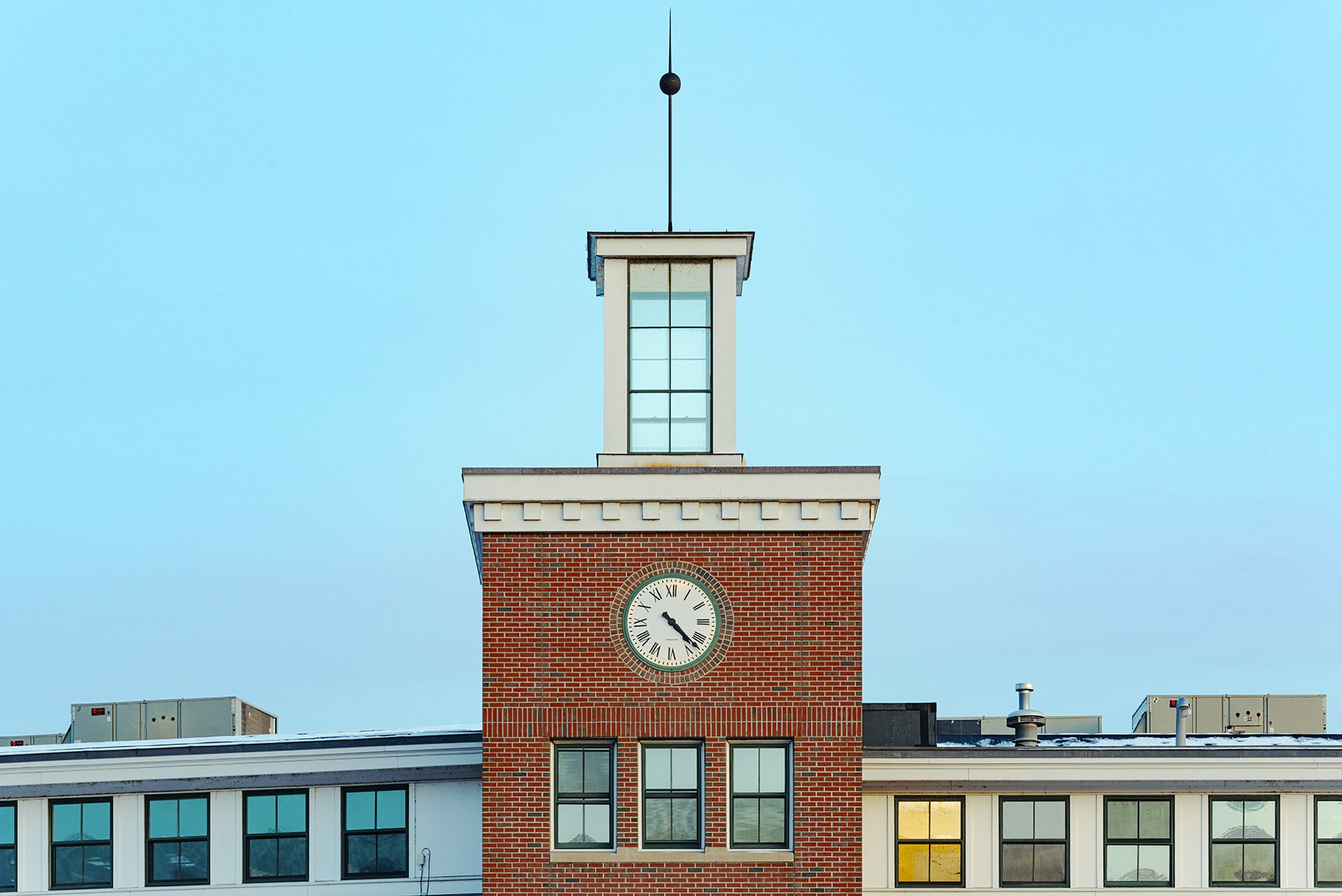
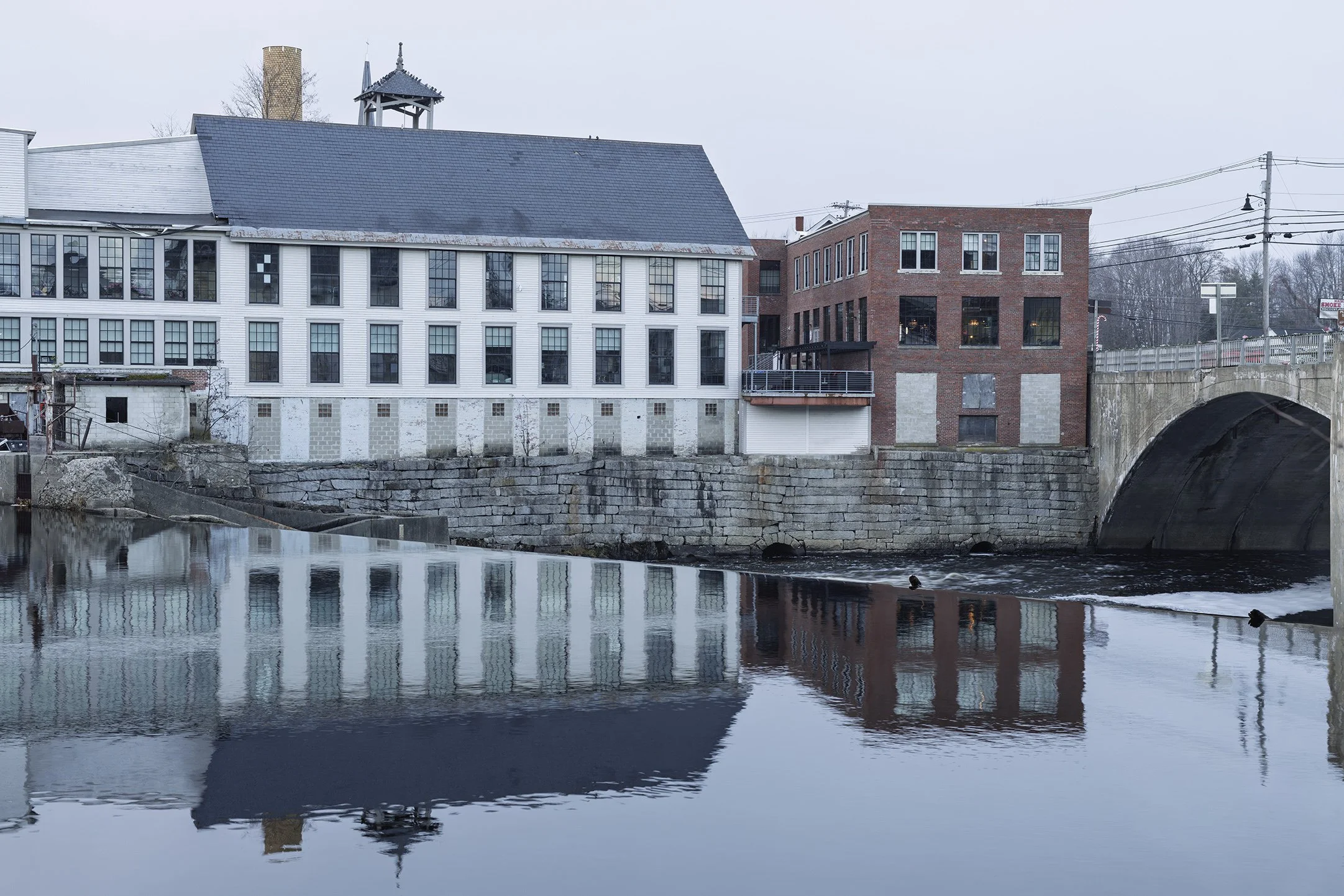
Kevin LeDuc Mayo & Son Woolen Mill, c.1844, Dover-Foxcroft, Piscataquis County, Maine, From Echoes, Still (2024-2028) – Clocks, Cupolas, Towers Portfolio, Pigment print, 30 × 45 inches, price $0.00

Kevin LeDuc Androscoggin Mills, c.1851, Lewiston, Androscoggin County, Maine, From Echoes, Still (2024-2027) – Clocks, Cupolas, Towers Portfolio, Pigment print, 30 × 45 inches, price $0.00

Kevin LeDuc Southard Mills, c. 1881, Richmond, Sagadahoc County, Maine, From Echoes, Still (2024-2028) – Clocks, Cupolas, Towers Portfolio, Pigment print, 30 × 45 inches, price $0.00
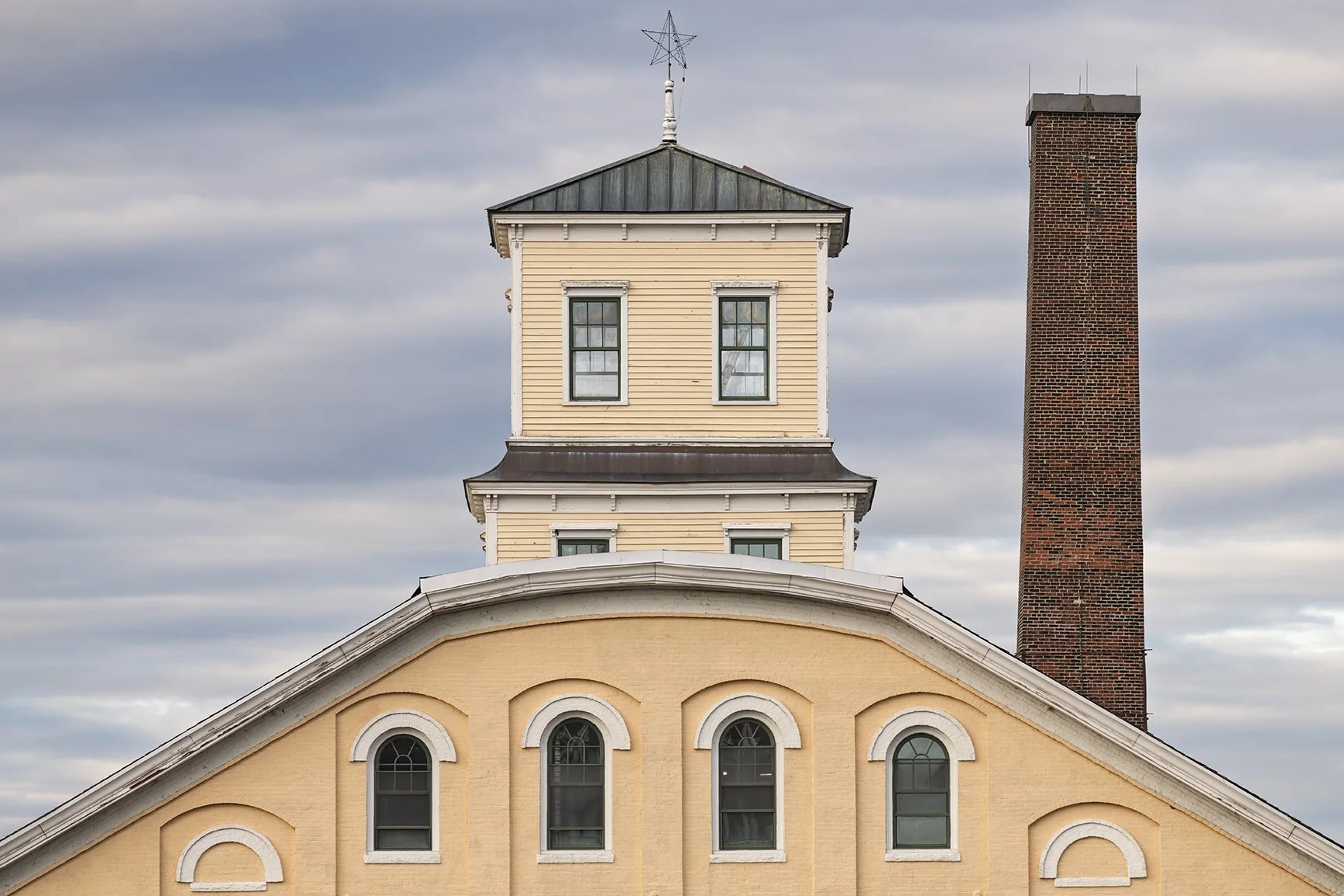
Kevin LeDuc Topsham Paper Company, c.1868, Topsham, Sagadahoc County, Maine, From Echoes, Still (2024-2028) – Clocks, Cupolas, Towers Portfolio, Pigment print, 30 × 45 inches, price $0.00

Kevin LeDuc Red Mill, c.2007, Topsham, Sagadahoc County, Maine, From Echoes, Still (2024-2028) – Clocks, Cupolas, Towers Portfolio, Pigment print, 30 × 45 inches, price $0.00

Kevin LeDuc Barker Mill, c.1873, Auburn, Androscoggin County, Maine, From Echoes, Still (2024-2028) – Clocks, Cupolas, Towers Portfolio, Pigment print, 30 × 45 inches, price $0.00

Kevin LeDuc, Bates Mill Complex Mill No.01, c.1852, Lewiston, Androscoggin County, Maine,From Echoes, Still (2024-2028) – Clocks, Cupolas, Towers Portfolio, Pigment print, 30 × 45 inches, price $0.00

Kevin LeDuc Brunswick Cotton Manufactory Company c.1809, Brunswick, Cumberland County, Maine From Echoes, Still (2024-2028) – Clocks, Cupolas, Towers Portfolio, Pigment print, 30 × 45 inches, price $0.00

Kevin LeDuc Waldoboro Shoe Factory c.1851, Waldoboro, Lincoln County, Maine, From Echoes, Still (2024-2028) – Clocks, Cupolas, Towers Portfolio, Pigment print, 30 × 45 inches, price $0.00

Kevin LeDuc Waldoboro Shoe Factory c.1851, Waldoboro, Lincoln County, Maine, From Echoes, Still (2024-2028) – Clocks, Cupolas, Towers Portfolio, Pigment print, 30 × 45 inches, price $0.00

Kevin LeDuc Roy Continental Mill c.1855, Lewiston, Androscoggin County, Maine, From Echoes, Still (2024-2028) – Clocks, Cupolas, Towers Portfolio, Pigment print, 30 × 45 inches, price $0.00

Kevin LeDuc Hollingsworth & Whitney c.1893, Winslow, Kennebec County, Maine, From Echoes, Still (2024-2028) – Clocks, Cupolas, Towers Portfolio, Pigment print, 30 × 45 inches, price $0.00
Clocks, Cupolas, Towers Portfolio
Clocks, Cupolas, Towers examines the architectural elements that gave Maine’s mills and factories their distinctive presence while regulating the rhythms of industrial and community life. Mill clocks marked the hours of the working day, but their influence extended well beyond the factory floor—organizing workers’ schedules, mealtimes, family life, and even the rhythms of attending church on Sunday. For communities accustomed to the seasonal cycles and daylight of agricultural life, the mill clock introduced a new temporal order: “factory time,” replacing natural rhythms with the regulated schedule of industrial production.
Traditional louvered cupolas provided continuous ventilation, helping remove the hot, humid air generated within mills and factories, while others incorporated glass panes to bring daylight into otherwise dark interiors. Weathervanes served practical purposes as well, providing an indication of wind direction and, in some communities, an early warning of approaching storms. These elements were therefore not merely decorative features; they were functional components of industrial architecture and daily life.
Mill towers became among the most recognizable structures within industrial communities, serving as geographical anchors visible from surrounding neighborhoods and landscapes. Over time, they came to symbolize community identity, industrial achievement, and civic pride. More broadly, towers have long served as expressions of a civilization’s wealth, human ambition, and spiritual aspiration, rising above the surrounding landscape as physical markers of collective achievement and, at times, symbols of divine protection. Within Maine’s industrial communities, the mill tower embodied these overlapping meanings—representing the power of industry while simultaneously marking the community’s place within the larger landscape.
Together, the clocks, cupolas, towers, and weathervanes reveal how seemingly functional architectural elements could shape the rhythms, identity, aspirations, and collective memory of the communities surrounding Maine’s mills and factories.
Kennebec River
Richmond, Sagadahoc County, Maine
From the Echoes, Still: Maine's Industrial Remnants Collection (2024–2028)
Clocks, Cupolas, Towers Portfolio
Historical Narrative
Kevin LeDuc Pigment print on Hahnemühle Baryta Rag Edition of 5 + 1 Artist’s Proof (A/P) + 1 Bon à Tirer (B.A.T.) Portfolio of 40 Images
Paper Size: 35 × 50 inches Image Size: 30 × 45 inches Borders: Approximately 2 ½ inches (All Sides) Mounting: Archival hinge or float mounting
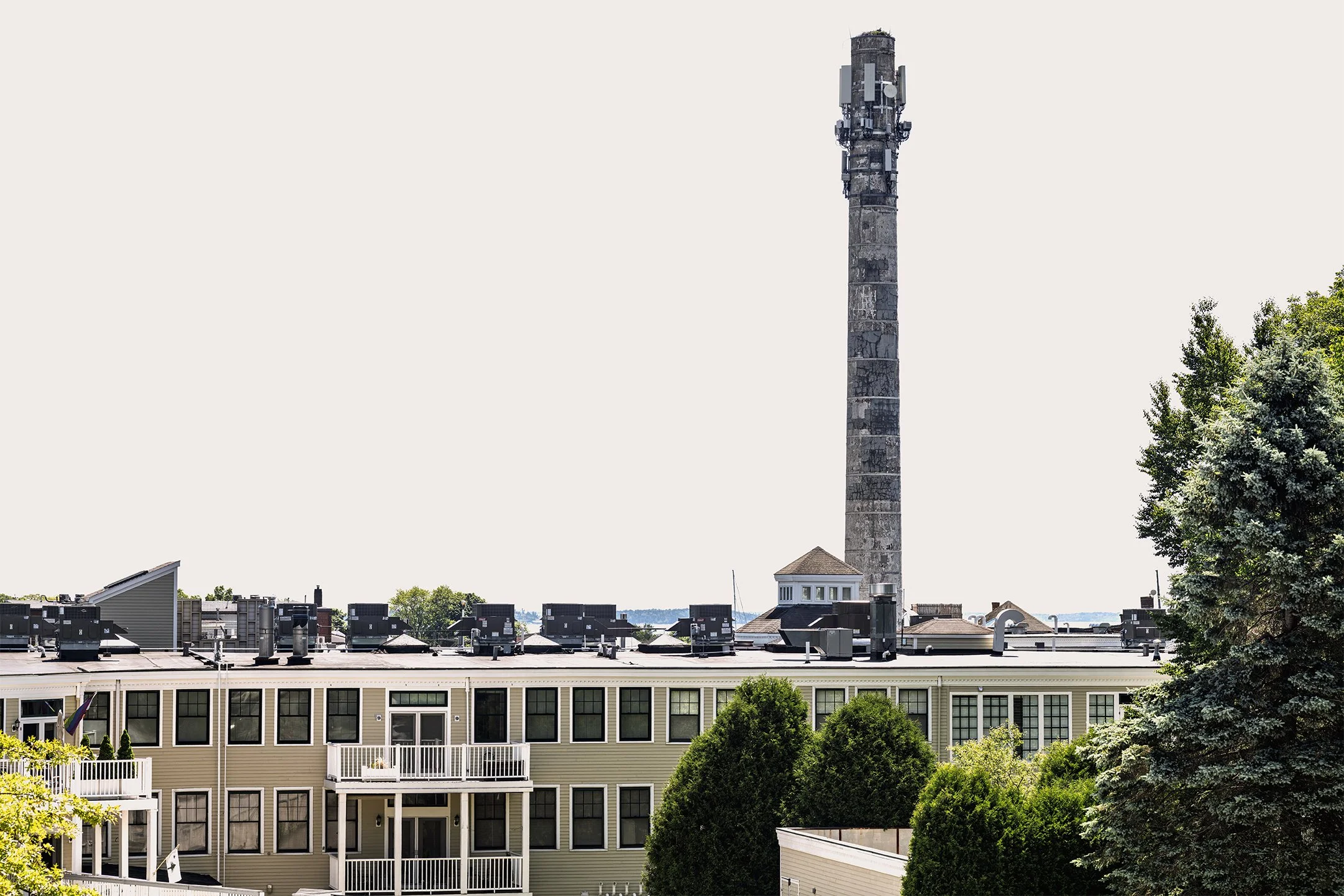
Megunticook River
Camden, Knox County, Maine
From the Echoes, Still: Maine's Industrial Remnants Collection (2024–2028)
Clocks, Cupolas, Towers Portfolio
Historical Narrative
Knox Woolen Mill: The industrialization of coastal Maine in the nineteenth century
Kevin LeDuc Pigment print on Hahnemühle Baryta Rag Edition of 5 + 1 Artist’s Proof (A/P) + 1 Bon à Tirer (B.A.T.) Portfolio of 40 Images
Paper Size: 35 × 50 inches Image Size: 30 × 45 inches Borders: Approximately 2 ½ inches (All Sides) Mounting: Archival hinge or float mounting
Little Androscoggin River
Auburn, Androscoggin County, Maine
From the Echoes, Still: Maine's Industrial Remnants Collection (2024–2028)
Clocks, Cupolas, Towers Portfolio
Historical Narrative
When Cotton Moved South: Barker Mill and the Changing Face of American Industry
Kevin LeDuc Pigment print on Hahnemühle Baryta Rag Edition of 5 + 1 Artist’s Proof (A/P) + 1 Bon à Tirer (B.A.T.) Portfolio of 40 Images
Paper Size: 35 × 50 inches Image Size: 30 × 45 inches Borders: Approximately 2 ½ inches (All Sides) Mounting: Archival hinge or float mounting
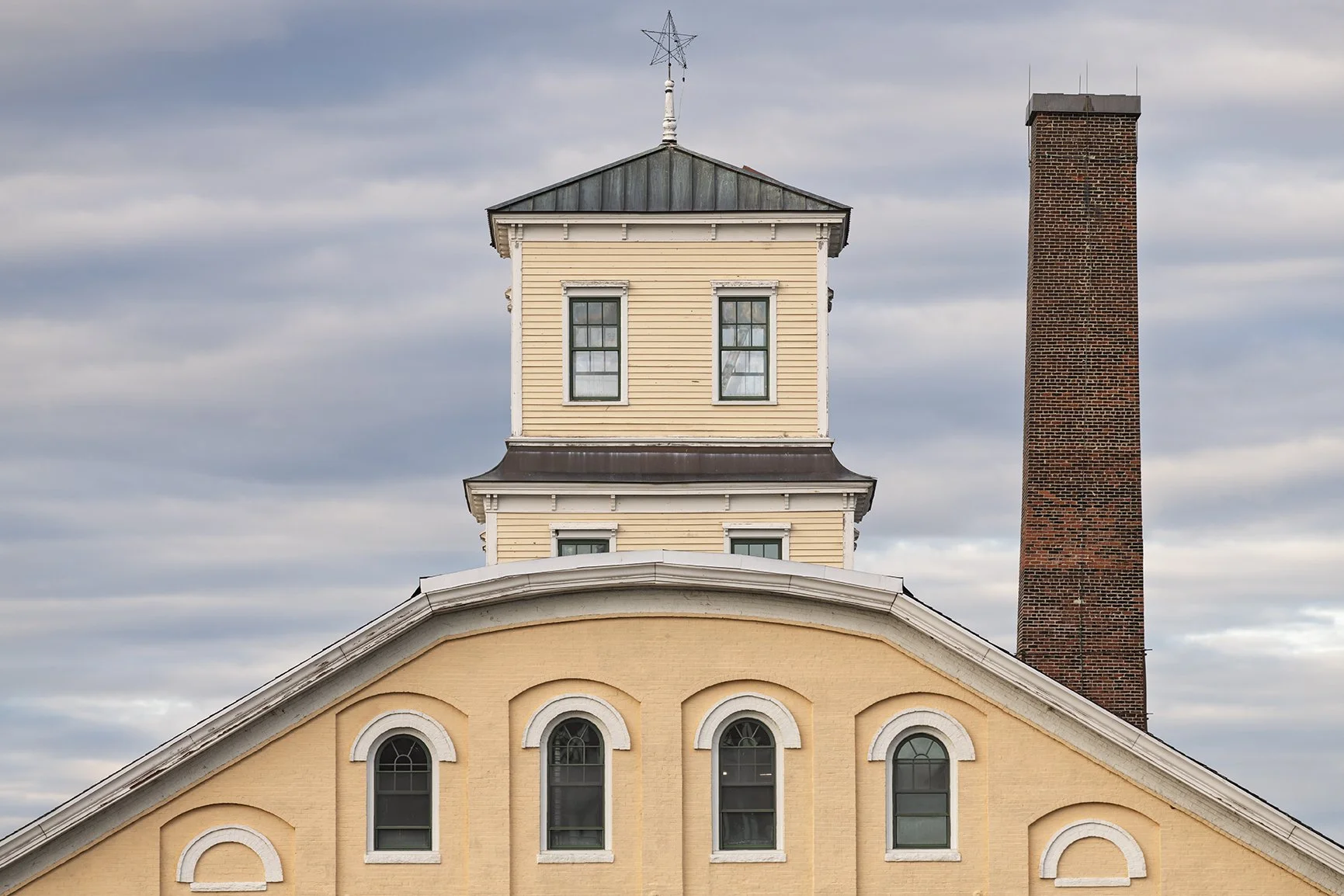
Great Island, Pejepscot Falls, Androscoggin River
Topsham, Sagadahoc County, Maine
From the Echoes, Still: Maine's Industrial Remnants Collection (2024–2028)
Clocks, Cupolas, Towers Portfolio
Historical Narrative
Pejepscot Paper Mill: Industry, Labor, and Life on the Androscoggin
Kevin LeDuc Pigment print on Hahnemühle Baryta Rag Edition of 5 + 1 Artist’s Proof (A/P) + 1 Bon à Tirer (B.A.T.) Portfolio of 40 Images
Paper Size: 35 × 50 inches Image Size: 30 × 45 inches Borders: Approximately 2 ½ inches (All Sides) Mounting: Archival hinge or float mounting

Main Canal, Great Falls, Androscoggin River
Lewiston, Androscoggin County, Maine
From the Echoes, Still: Maine's Industrial Remnants Collection (2024–2028)
Clocks, Cupolas, Towers Portfolio
Historical Narrative
Kevin LeDuc Pigment print on Hahnemühle Baryta Rag Edition of 5 + 1 Artist’s Proof (A/P) + 1 Bon à Tirer (B.A.T.) Portfolio of 40 Images
Paper Size: 35 × 50 inches Image Size: 30 × 45 inches Borders: Approximately 2 ½ inches (All Sides) Mounting: Archival hinge or float mounting
Pejepscot Falls, Androscoggin River
Brunswick, Cumberland County, Maine
From the Echoes, Still: Maine's Industrial Remnants Collection (2024–2028)
Clocks, Cupolas, Towers Portfolio
Historical Narrative
Brunswick Cotton Manufactory Company: Production, Labor, and Community
Kevin LeDuc Pigment print on Hahnemühle Baryta Rag Edition of 5 + 1 Artist’s Proof (A/P) + 1 Bon à Tirer (B.A.T.) Portfolio of 40 Images
Paper Size: 35 × 50 inches Image Size: 30 × 45 inches Borders: Approximately 2 ½ inches (All Sides) Mounting: Archival hinge or float mounting
Great Island, Pejepscot Falls, Androscoggin River
Topsham, Sagadahoc County, Maine
From the Echoes, Still: Maine's Industrial Remnants Collection (2024–2028)
Clocks, Cupolas, Towers Portfolio
Historical Narrative
Kevin LeDuc Pigment print on Hahnemühle Baryta Rag Edition of 5 + 1 Artist’s Proof (A/P) + 1 Bon à Tirer (B.A.T.) Portfolio of 40 Images
Paper Size: 35 × 50 inches Image Size: 30 × 45 inches Borders: Approximately 2 ½ inches (All Sides) Mounting: Archival hinge or float mounting

Eveleth Reservoir, Medomak River
Waldoboro, Lincoln County, Maine
From the Echoes, Still: Maine's Industrial Remnants Collection (2024–2028)
Clocks, Cupolas, Towers Portfolio
Historical Narrative
The Waldoboro Shoe Factory: Industry, Workers, and Community Memory in Rural Maine
Kevin LeDuc Pigment print on Hahnemühle Baryta Rag Edition of 5 + 1 Artist’s Proof (A/P) + 1 Bon à Tirer (B.A.T.) Portfolio of 40 Images
Paper Size: 35 × 50 inches Image Size: 30 × 45 inches Borders: Approximately 2 ½ inches (All Sides) Mounting: Archival hinge or float mounting
Main Canal, Great Falls, Androscoggin River
Lewiston, Androscoggin County, Maine
From the Echoes, Still: Maine's Industrial Remnants Collection (2024–2028)
Clocks, Cupolas, Towers Portfolio
Historical Narrative
Kevin LeDuc Pigment print on Hahnemühle Baryta Rag Edition of 5 + 1 Artist’s Proof (A/P) + 1 Bon à Tirer (B.A.T.) Portfolio of 40 Images
Paper Size: 35 × 50 inches Image Size: 30 × 45 inches Borders: Approximately 2 ½ inches (All Sides) Mounting: Archival hinge or float mounting
Eveleth Reservoir, Medomak River
Waldoboro, Lincoln County, Maine
From the Echoes, Still: Maine's Industrial Remnants Collection (2024–2028)
Clocks, Cupolas, Towers Portfolio
Historical Narrative
Kevin LeDuc Pigment print on Hahnemühle Baryta Rag Edition of 5 + 1 Artist’s Proof (A/P) + 1 Bon à Tirer (B.A.T.) Portfolio of 40 Images
Paper Size: 35 × 50 inches Image Size: 30 × 45 inches Borders: Approximately 2 ½ inches (All Sides) Mounting: Archival hinge or float mounting

Second Falls, Royal River
Yarmouth, Cumberland County, Maine
From the Echoes, Still: Maine's Industrial Remnants Collection (2024–2028)
Clocks, Cupolas, Towers Portfolio
Historical Narrative
Kevin LeDuc Pigment print on Hahnemühle Baryta Rag Edition of 5 + 1 Artist’s Proof (A/P) + 1 Bon à Tirer (B.A.T.) Portfolio of 40 Images
Paper Size: 35 × 50 inches Image Size: 30 × 45 inches Borders: Approximately 2 ½ inches (All Sides) Mounting: Archival hinge or float mounting

Maranacook Stream
Winthrop, Kennebec County, Maine
From the Echoes, Still: Maine's Industrial Remnants Collection (2024–2028)
Clocks, Cupolas, Towers Portfolio
Historical Narrative
Winthrop Woolen & Cotton Manufactory: Naval Cloth And Two Centuries of Textile Manufacturing on Maranacook Stream
Kevin LeDuc Pigment print on Hahnemühle Baryta Rag Edition of 5 + 1 Artist’s Proof (A/P) + 1 Bon à Tirer (B.A.T.) Portfolio of 40 Images
Paper Size: 35 × 50 inches Image Size: 30 × 45 inches Borders: Approximately 2 ½ inches (All Sides) Mounting: Archival hinge or float mounting
Main Canal, Great Falls, Androscoggin River
Lewiston, Androscoggin County, Maine
From the Echoes, Still: Maine's Industrial Remnants Collection (2024–2028)
Clocks, Cupolas, Towers Portfolio
Historical Narrative
Porter Mill: Engineering, Industry, and Labor in Lewiston, Maine, 1858–1955
Kevin LeDuc Pigment print on Hahnemühle Baryta Rag Edition of 5 + 1 Artist’s Proof (A/P) + 1 Bon à Tirer (B.A.T.) Portfolio of 40 Images
Paper Size: 35 × 50 inches Image Size: 30 × 45 inches Borders: Approximately 2 ½ inches (All Sides) Mounting: Archival hinge or float mounting

Mill Stream Outlet, China Lake
North Vassalboro, Kennebec County, Maine
From the Echoes, Still: Maine's Industrial Remnants Collection (2024–2028)
Clocks, Cupolas, Towers Portfolio
Historical Narrative
Lang, Stackpole & Pope A Woolen Manufacturing Company in North Vassalboro
Kevin LeDuc Pigment print on Hahnemühle Baryta Rag Edition of 5 + 1 Artist’s Proof (A/P) + 1 Bon à Tirer (B.A.T.) Portfolio of 40 Images
Paper Size: 35 × 50 inches Image Size: 30 × 45 inches Borders: Approximately 2 ½ inches (All Sides) Mounting: Archival hinge or float mounting
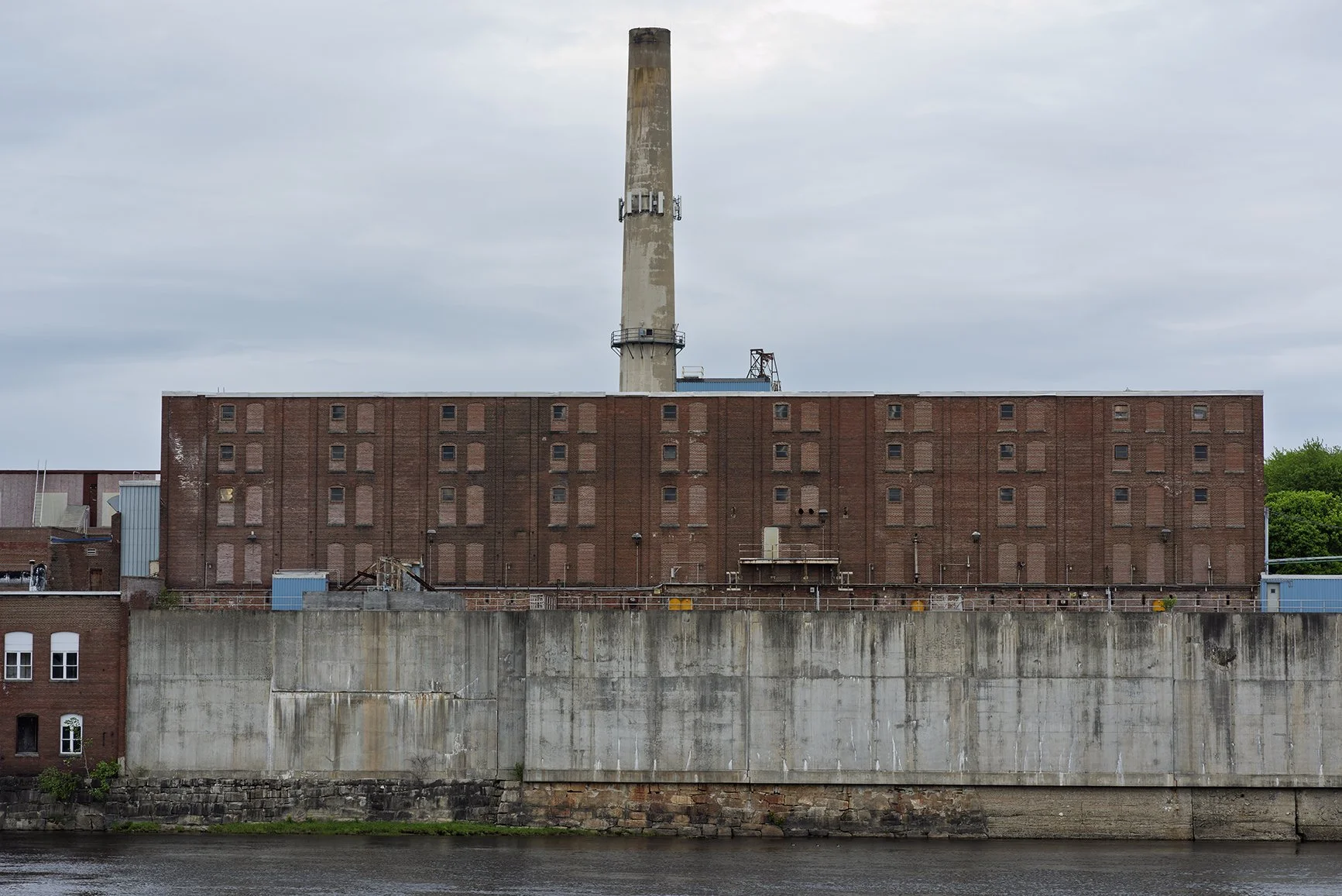
Groundwater Wells, College Rapids, Kennebec River
Winslow, Kennebec County, Maine
From the Echoes, Still: Maine's Industrial Remnants Collection (2024–2028)
Clocks, Cupolas, Towers Portfolio
Historical Narrative
Hollingsworth & Whitney Company: Production, Labor, and Community
Kevin LeDuc Pigment print on Hahnemühle Baryta Rag Edition of 5 + 1 Artist’s Proof (A/P) + 1 Bon à Tirer (B.A.T.) Portfolio of 40 Images
Paper Size: 35 × 50 inches Image Size: 30 × 45 inches Borders: Approximately 2 ½ inches (All Sides) Mounting: Archival hinge or float mounting
Foxcroft Falls, Piscataquis River
Dover-Foxcroft, Piscataquis County, Maine
From the Echoes, Still: Maine's Industrial Remnants Collection (2024–2028)
Clocks, Cupolas, Towers Portfolio
Historical Narrative
Kevin LeDuc Pigment print on Hahnemühle Baryta Rag Edition of 5 + 1 Artist’s Proof (A/P) + 1 Bon à Tirer (B.A.T.) Portfolio of 40 Images
Paper Size: 35 × 50 inches Image Size: 30 × 45 inches Borders: Approximately 2 ½ inches (All Sides) Mounting: Archival hinge or float mounting
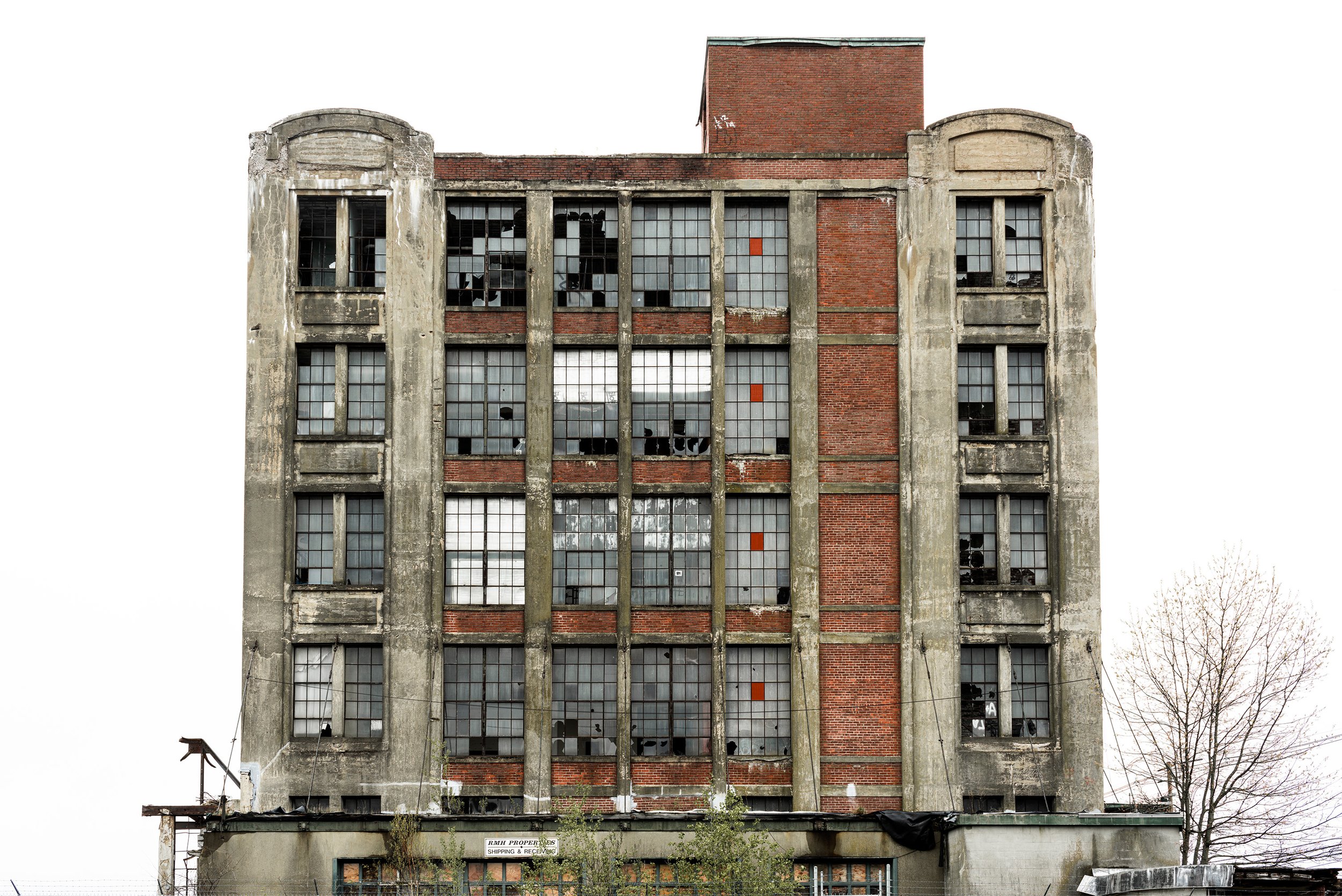
Mousam River
Sanford, York County, Maine
From the Echoes, Still: Maine's Industrial Remnants Collection (2024–2028)
Clocks, Cupolas, Towers Portfolio
Historical Narrative
Kevin LeDuc Pigment print on Hahnemühle Baryta Rag Edition of 5 + 1 Artist’s Proof (A/P) + 1 Bon à Tirer (B.A.T.) Portfolio of 40 Images
Paper Size: 35 × 50 inches Image Size: 30 × 45 inches Borders: Approximately 2 ½ inches (All Sides) Mounting: Archival hinge or float mounting

Great Island, Pejepscot Falls, Androscoggin River
Topsham, Sagadahoc County, Maine
From the Echoes, Still: Maine's Industrial Remnants Collection (2024–2028)
Clocks, Cupolas, Towers Portfolio
Historical Narrative
Topsham Paper Company: A Riverfront Industrial Legacy
Kevin LeDuc Pigment print on Hahnemühle Baryta Rag Edition of 5 + 1 Artist’s Proof (A/P) + 1 Bon à Tirer (B.A.T.) Portfolio of 40 Images
Paper Size: 35 × 50 inches Image Size: 30 × 45 inches Borders: Approximately 2 ½ inches (All Sides) Mounting: Archival hinge or float mounting
Echoes, Still Portfolios
Clocks, Cupolas, Towers Cotton, Woolens Grain, Leather, Pulp Facades Falls, Outlets, Rivers Empty Empires Exteriors Glass, Iron, Stone Interiors Machinery Murals Neighborhoods Renaissance Signature Portfolios
Millworks by County
Androscoggin Aroostook Cumberland Franklin Hancock Kennebec Knox Lincoln Oxford Penobscot Piscataquis Sagadahoc Somerset Waldo Washington York
Atlantic & Mechanic Street
Rockland, Knox County, Maine
From the Echoes, Still: Maine's Industrial Remnants Collection (2024–2028)
Clocks, Cupolas, Towers Portfolio
Historical Narrative
Knox Lincoln Farmers and K & L Feed Mill, Inc.: Agricultural Industry in Rockland, Maine
Kevin LeDuc Pigment print on Hahnemühle Baryta Rag Edition of 5 + 1 Artist’s Proof (A/P) + 1 Bon à Tirer (B.A.T.) Portfolio of 40 Images
Paper Size: 35 × 50 inches Image Size: 30 × 45 inches Borders: Approximately 2 ½ inches (All Sides) Mounting: Archival hinge or float mounting