North Yarmouth Manufacturing Co., c. 1847
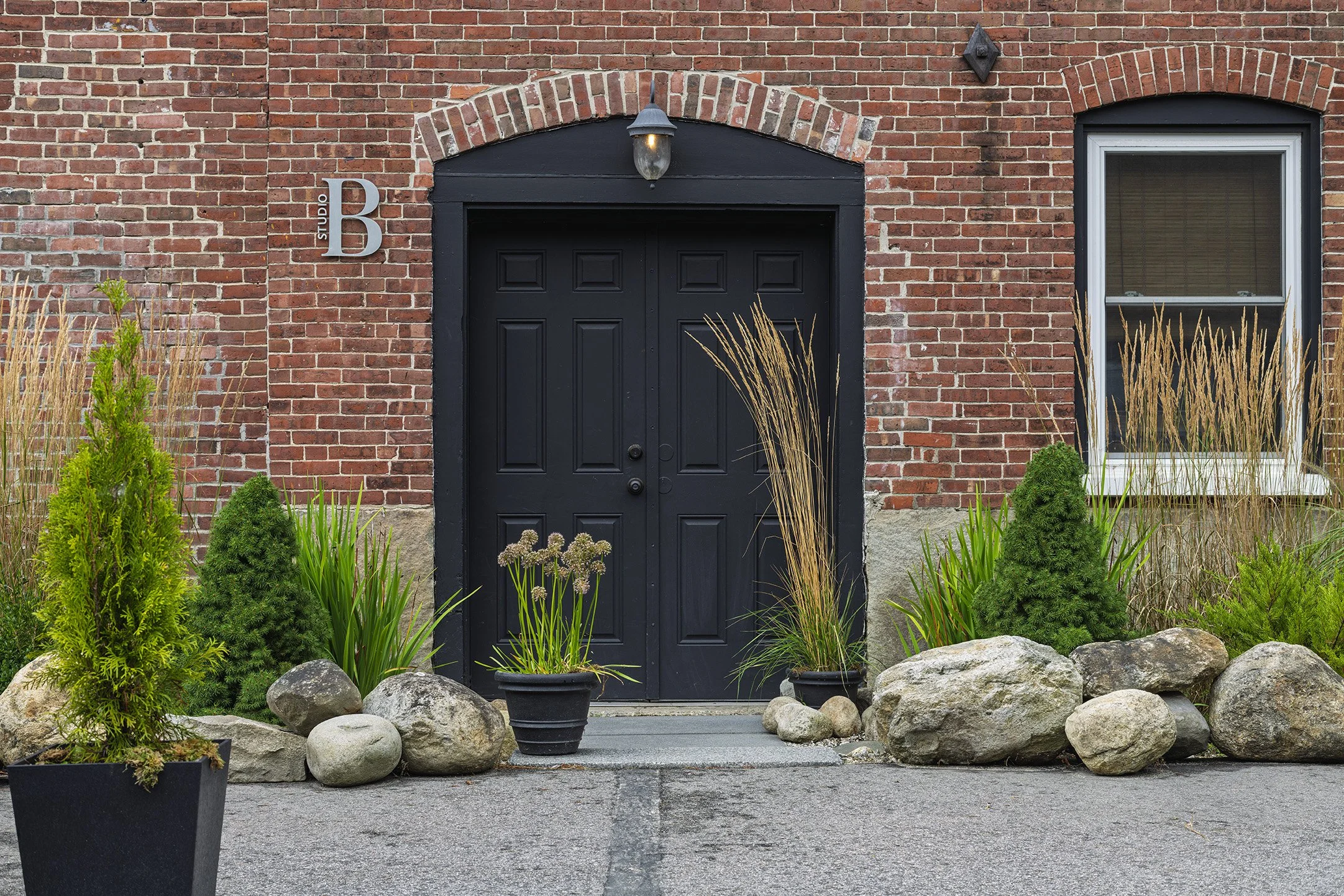

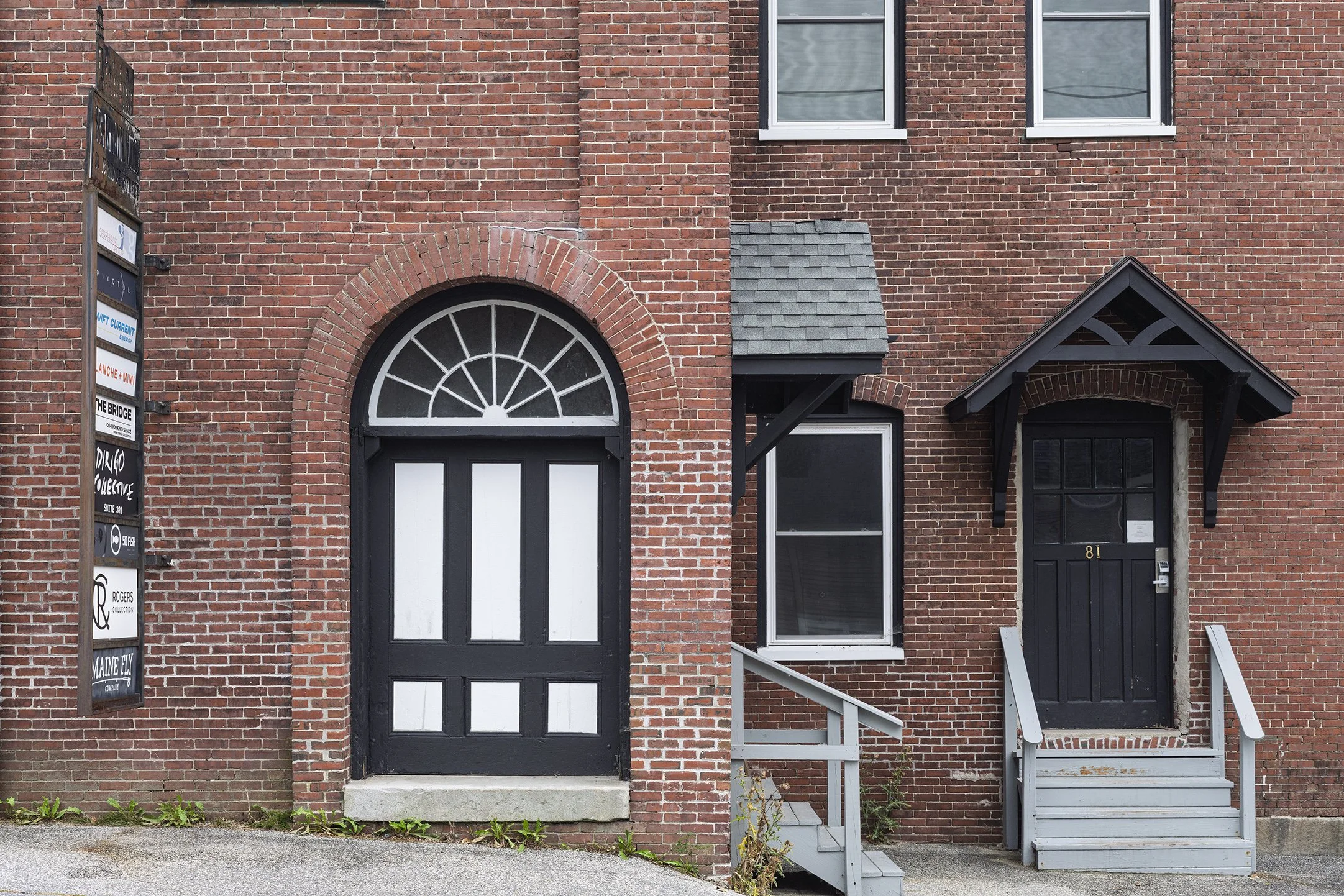


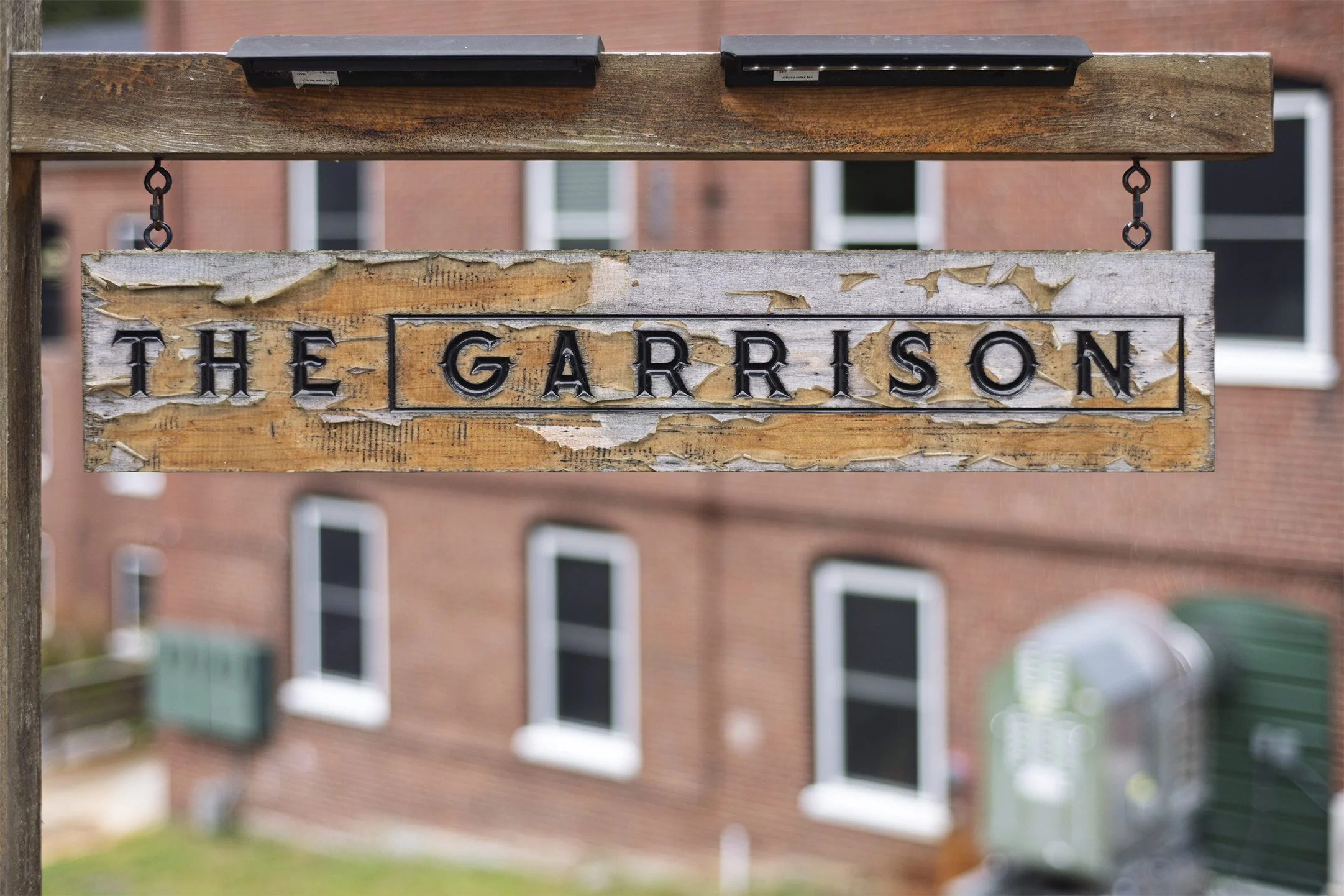


North Yarmouth Manufacturing Co., c. 1847
Bridge Street
Yarmouth, Cumberland County, Maine
From the Echoes, Still: Maine’s Industrial Remnants – Artist Two Print Edition portfolio, 2024-2028
Pigment print on Hahnemühle Baryta
AP + Edition of 4
30 × 45 inches
Edition Includes
Studio B, from the– Renaissance portfolio
Maine Fly, from the– Renaissance portfolio
-
The first mill on this site was the North Yarmouth Manufacturing Company, founded in 1847 by Eleazer Burbank. The company produced cotton yarn and cloth, continuing an industrial tradition at the Second Falls of the Royal River, where a wooden mill had operated since 1817.¹ In 1855, Libby and Harrison rebuilt the mill in brick to accommodate their new venture, the Royal River Manufacturing Company, which specialized in cotton grain bags and expanded textile production at the site.²
At its peak in the late nineteenth century, the Royal River Manufacturing Company employed approximately sixty workers, including a significant number of migrants from Prince Edward Island, Canada, who came to Maine seeking industrial employment.³ Employees typically worked twelve-hour days, six days per week, under tightly regulated factory schedules.⁴ Wages were modest: a weaver earned approximately $1.40 to $1.50 per day, while weekly room and board in company-provided boarding houses cost between $2 and $3.⁵ These arrangements reflected common labor practices in New England textile villages, where mill owners often exercised influence over both work and domestic life.⁶
The mill produced cotton yarn, woven cloth, and seamless cotton grain bags using spinning frames, power looms, and ancillary textile machinery.⁷ Power was initially supplied by water turbines drawing energy from the Royal River via the Bridge Street Dam.⁸ In the 1880s, the complex was expanded to include a prominent square brick tower, lending the mill its distinctive Italianate architectural character and improving vertical circulation within the facility.⁹ During the twentieth century, the site incorporated electric turbines; these generating systems were revitalized in 1986 and continue to function, reflecting the layered evolution of the site’s industrial infrastructure.¹⁰
Operations under the Royal River Manufacturing Company continued—interrupted briefly during the Great Depression—until 1951.¹¹ In the early 1950s, the Old Sparhawk Mills Company relocated from South Portland, Maine, to the Yarmouth facility, shifting production toward braided rugs.¹² In 1957, Sherman O. Yale assumed control of the property under the name Yale Cordage, manufacturing braided twine used for lobster traps and yachting cordage.¹³ Yale Cordage operated at the site until 1991, when it moved to a larger facility; the former mill was subsequently adapted for mixed commercial rental use.¹⁴
Although the Sparhawk Mill and surrounding structures have been identified locally as contributing resources within a proposed Royal River Manufacturing Historic District, the mill itself is not individually listed on the U.S. National Register of Historic Places.¹⁵ Certain elements of the site, including the Bridge Street Dam, have been identified as eligible for listing as part of a historic district, but formal designation has not been completed.¹⁶ The complex remains a prominent reminder of Yarmouth’s nineteenth- and twentieth-century textile heritage and the enduring industrial significance of the Royal River corridor.¹⁷
Footnotes
Yarmouth History Center, “Royal River and the Mill,” Yarmouth Historical Society, accessed January 2026, 2–3.
Ibid., 4–5.
Ibid., 6–7.
Ibid., 8.
Ibid., 9.
Ibid., 10.
Ibid., 11–12.
Town of Yarmouth, Maine, Historic Preservation Committee, Royal River Manufacturing Historic District: Context Statement Update, June 27, 2025 (Yarmouth, ME: Town of Yarmouth, 2025), 14–16.
Ibid., 18–19.
The Maine Monitor, “Yarmouth Moves Closer to Dam Removals on the Royal River,” May 19, 2024, 3–4.
Yarmouth History Center, “Royal River and the Mill,” 13.
Ibid., 14.
Ibid., 15.
Ibid., 16.
Town of Yarmouth, Royal River Manufacturing Historic District, 21–22.
Ibid., 23–24.
Ibid., 25.
Bibliography
The Maine Monitor. “Yarmouth Moves Closer to Dam Removals on the Royal River.” May 19, 2024.
Town of Yarmouth, Maine, Historic Preservation Committee. Royal River Manufacturing Historic District: Context Statement Update. June 27, 2025. Yarmouth, ME: Town of Yarmouth, 2025.
Yarmouth History Center. “Royal River and the Mill.” Yarmouth Historical Society. Accessed January 2026.